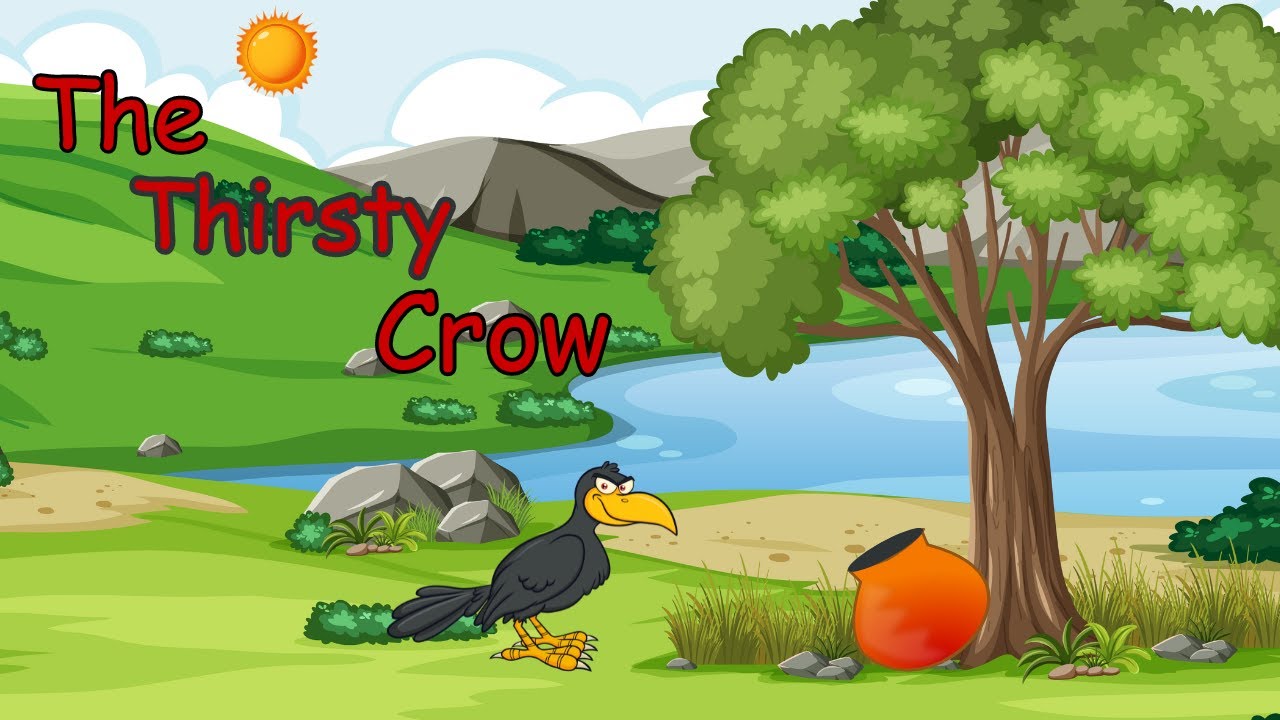
The story of a clever crow overcoming difficulty is a classic moral tale taught in schools across Bangladesh. In English exams, students are often asked to write completing story a thirsty crow, which tests creativity, grammar, and moral understanding. This story highlights intelligence, patience, and problem-solving skills. By learning the proper structure and flow, students can easily score high marks. In this article, you will find a detailed explanation, writing techniques, and different versions of the story in various word limits.
Understanding the Story Structure
To write completing story a thirsty crow effectively, students must follow a logical structure. A good story generally includes an introduction, a problem, a solution, and a moral lesson. The introduction sets the scene, usually describing a hot day and a thirsty crow. The problem arises when the crow finds little water in a pitcher. The solution involves the crow’s clever idea of dropping stones into the pitcher. Finally, the story ends with a moral lesson.
Maintaining proper tense, simple vocabulary, and correct grammar is essential. Students should also avoid unnecessary complexity and focus on clarity.
Completing Story A Thirsty Crow of 100 Words
One hot day, a crow was very thirsty. It flew here and there in search of water but found none. At last, it saw a pitcher near a house. The crow flew down and looked inside. There was a little water at the bottom. The crow could not reach it with its beak. It thought for a while and found a plan. It picked up small stones and dropped them into the pitcher. Slowly, the water rose up. The crow drank the water and flew away happily.
Moral: Where there is a will, there is a way.
Completing Story A Thirsty Crow of 150 Words
One day, during a hot summer afternoon, a crow became very thirsty. It flew here and there in search of water but could not find any. After a long time, it noticed a pitcher near a house. The crow quickly flew down and looked inside it. There was only a small amount of water at the bottom. The crow tried to reach the water but could not. It became worried but did not give up. After thinking for some time, it got a clever idea. It saw some small stones lying nearby. The crow picked them up one by one and dropped them into the pitcher. Gradually, the water level rose. When the water came within its reach, the crow drank it and quenched its thirst. Then it flew away happily.
Moral: Intelligence and patience can solve any problem.
Completing Story A Thirsty Crow of 200 Words
One very hot afternoon, a crow became extremely thirsty. It flew across fields, trees, and houses in search of water but could not find any. The scorching sun made it tired and weak. After wandering for a long time, the crow finally noticed a pitcher beside a house. Feeling hopeful, it quickly flew down and looked inside. It saw a small amount of water at the bottom of the pitcher. However, the neck of the pitcher was narrow, and the crow could not reach the water with its beak. It tried again and again but failed each time. The crow did not lose hope and began to think of a solution. After a while, it saw some small pebbles lying nearby. Suddenly, a clever idea came to its mind. It started picking up the pebbles one by one and dropping them into the pitcher. Gradually, the water level began to rise. The crow continued its work patiently and without stopping. At last, the water reached near the top of the pitcher. The crow drank the water and quenched its thirst completely. Feeling refreshed and happy, it flew away.
Moral: Where there is a will, there is a way.
Completing Story A Thirsty Crow of 250 Words
On a scorching summer day, a crow became extremely thirsty. The sun was shining brightly, and there was no sign of water anywhere. The crow flew from one place to another in search of water. It visited fields, gardens, and even rooftops, but unfortunately, it could not find any water to drink. As time passed, the crow became weak and tired due to thirst. However, it did not lose hope and continued its search with determination.
After a long time, the crow noticed a pitcher placed near a house. Feeling hopeful, it quickly flew down and sat on the edge of the pitcher. It looked inside and saw that there was only a small amount of water at the bottom. The crow tried to reach the water with its beak but failed because the neck of the pitcher was too narrow. The crow became disappointed at first, but it decided not to give up easily.
The crow began to think of a solution. After a few moments, it noticed some small stones lying nearby. Suddenly, a clever idea came into its mind. The crow picked up the stones one by one and dropped them into the pitcher. As it continued dropping stones, the water level inside the pitcher slowly began to rise. The crow worked patiently and did not stop until the water reached near the top.
At last, the water came within its reach. The crow happily drank the water and quenched its thirst. It felt refreshed and full of energy again.
Moral: Intelligence and patience can overcome any difficulty.
Common Mistakes to Avoid
While writing the story, students often make some common mistakes. These include using incorrect tense, missing key points, writing too short or too long answers, and forgetting the moral lesson. Avoid repetition and keep your writing concise. Always revise your answer if time allows.
Conclusion
To master completing story a thirsty crow, regular practice is essential. Understanding the structure, remembering key points, and practicing different word limits will help students perform well in exams. This story is simple yet meaningful, making it a favorite in school curricula. By following the guidelines and examples provided, students in Bangladesh can confidently write this story and achieve excellent marks.
FAQs
Q1. What is the moral of the thirsty crow story?
A: The moral is “Where there is a will, there is a way,” highlighting intelligence and persistence.
Q2. How many words should I write in exams?
A: It depends on the question, usually between 100 to 250 words.
Q3. Can I change the ending of the story?
A: It is better to keep the traditional ending for exam purposes.
Q4. Why is this story important for students?
A: It teaches problem-solving and is commonly asked in exams.
Q5. What tense should be used?
A: Past tense is most appropriate for story writing.
Q6. How can I improve my story writing?
A: Practice regularly and follow proper structure and grammar rules.