
Bangladesh is a land of diverse lifestyles, where both village life and city life offer contrasting experiences. While rural areas are filled with natural beauty, peace, and simplicity, urban centers are known for their speed, modernity, and opportunities. Each lifestyle has its own charm and limitations. In writing a village life and city life paragraph, students get to explore how the environment, daily routines, and quality of life differ based on location. For some, village life means clean air and close-knit communities, while others may prefer the facilities and fast-paced energy of the city. Understanding these two worlds is important for students to appreciate the strengths of both and reflect on their impact on personal growth, education, and national development.
Village Life in Bangladesh
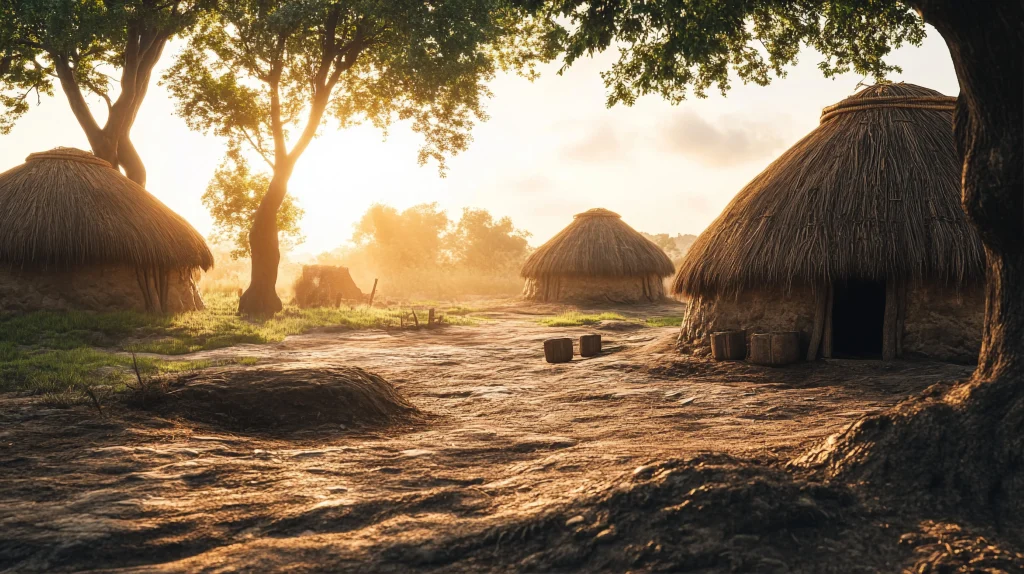
Village life in Bangladesh is deeply rooted in tradition, culture, and simplicity. Most people in the villages are involved in agriculture, fishing, and small businesses. Their days start with sunrise and end after sunset. A typical village is surrounded by green fields, rivers, ponds, and trees. The air is fresh and free from the pollution often found in urban areas.
In villages, life is less stressful. People live in harmony with nature and maintain strong social bonds. Neighbors help each other, celebrate festivals together, and share both joy and sorrow. The cost of living is lower compared to cities. Food is usually homegrown and organic, which ensures better health. The pace of life is slower, giving people more time for family, relaxation, and cultural activities.
However, there are challenges too. Many villages still lack proper medical facilities, modern schools, reliable transportation, and internet access. Power cuts are frequent in some remote areas. As a result, opportunities for education and employment are limited, which often pushes young people to move to cities.
By studying village life and city life paragraph content, students learn how rural simplicity brings peace, but also face the reality of limited access to modern resources.
City Life in Bangladesh
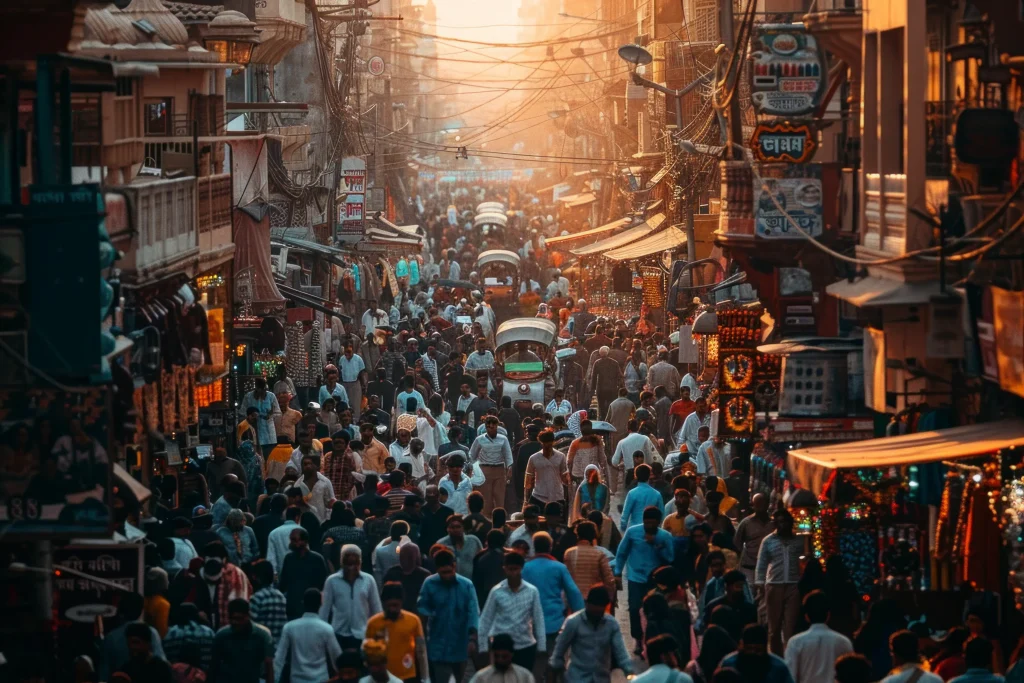
City life is fast, dynamic, and filled with endless possibilities. In cities like Dhaka, Chittagong, Khulna, and Rajshahi, people enjoy better access to education, healthcare, jobs, and digital technology. Skyscrapers, shopping malls, busy streets, and public transport define the cityscape. People from villages often move to cities for better life prospects.
Education is one of the biggest advantages of city life. Schools, colleges, and universities are equipped with modern facilities. Coaching centers, libraries, and internet cafes help students prepare for competitive exams. Medical services in cities are more advanced, with specialized doctors and high-tech hospitals available for emergencies and complex treatments.
Cities offer employment opportunities in government, private companies, factories, media, and freelancing. Many young professionals build successful careers in urban centers. There are also various options for recreation—movie theaters, parks, cafes, sports clubs, and concerts—all providing mental refreshment.
Yet, city life is not without its downsides. Traffic jams, noise pollution, and high living costs create stress. The fast pace leaves little time for relaxation. Social bonds are weaker; people often don’t even know their neighbors. Children grow up in smaller spaces with fewer outdoor activities.
Understanding the contrast through a village life and city life paragraph shows students that city life offers modern comfort and career growth but often lacks the calm and connectedness of rural life.
Comparing Village Life and City Life
When comparing village life and city life, it is clear that both have advantages and disadvantages. Villages offer peace, simplicity, and natural beauty. People live a healthy life and enjoy strong community relationships. On the other hand, cities provide better education, jobs, and services that support modern living.
In villages, mornings begin with birds chirping and the smell of fresh crops. In cities, the day starts with alarms, horns, and busy schedules. Children in villages play in open fields, climb trees, and swim in ponds. City children often play indoors or go to parks due to lack of space and safety.
Villagers enjoy fresh, chemical-free food, while city dwellers rely on packed or restaurant meals. Rural areas are ideal for those who value quiet and a close relationship with nature. Cities are for people who need connectivity, speed, and broader opportunities.
Transportation is also a big difference. While villagers depend on cycles, vans, and boats, city residents use buses, cars, rickshaws, and metros. In cities, life runs by the clock; in villages, time flows with nature.
By writing a village life and city life paragraph, students realize that neither lifestyle is better or worse—each serves different needs and reflects different values. A balanced development strategy should ensure both village and city dwellers enjoy equal opportunities in life.
Paragraph Samples for Exams
Sample (100 Words)
Village life is peaceful and simple. People wake up early and work in fields or fish in ponds. They eat fresh food and live close to nature. City life is fast and full of modern things like buildings, buses, and offices. In the city, people have better jobs, schools, and hospitals. But they also face traffic jams and pollution. Villagers live happily with their neighbors, while city people are often busy. Both lifestyles are important. Writing a village life and city life paragraph teaches us the value of each way of life.
Sample (150 Words)
Village life and city life are different but equally important. In the village, people live in harmony with nature. They enjoy fresh air, green fields, and strong social ties. Life is slow and peaceful. However, villages often lack good hospitals, schools, and modern transport. City life offers all these. People in cities have access to better education, high-paying jobs, and entertainment. But life in cities is hectic. There is pollution, noise, and traffic. People don’t have time to connect with others. Writing a village life and city life paragraph helps students compare both lifestyles and understand their roles in the country’s progress.
FAQs
Q1: What is the main difference between village life and city life?
A: Village life is peaceful and nature-based, while city life is fast-paced and full of modern facilities like education, jobs, and healthcare.
Q2: Why do people move from villages to cities?
A: People often move for better job opportunities, higher education, and improved medical services available in cities.
Q3: What are the benefits of village life?
A: Clean air, fresh food, strong social bonds, and a stress-free environment are some major benefits of village life.
Q4: What problems do people face in cities?
A: Traffic congestion, noise, pollution, and high living costs are common problems in urban areas.
Conclusion
In the end, both village life and city life are essential for the development and culture of a country. Villages preserve our traditions, feed the nation, and offer mental peace. Cities drive progress, education, and the economy. While village life brings people closer to nature and community, city life connects people to technology and opportunities.
Everyone has their preferences—some prefer the quiet of a village, others love the buzz of a city. But both lifestyles are interdependent. Cities depend on villages for food and manpower, while villages rely on cities for medical care, education, and innovation.
Writing a village life and city life paragraph gives students a better understanding of their environment, helps them respect diversity, and prepares them to contribute wisely to society, whether they live in a village or a city.