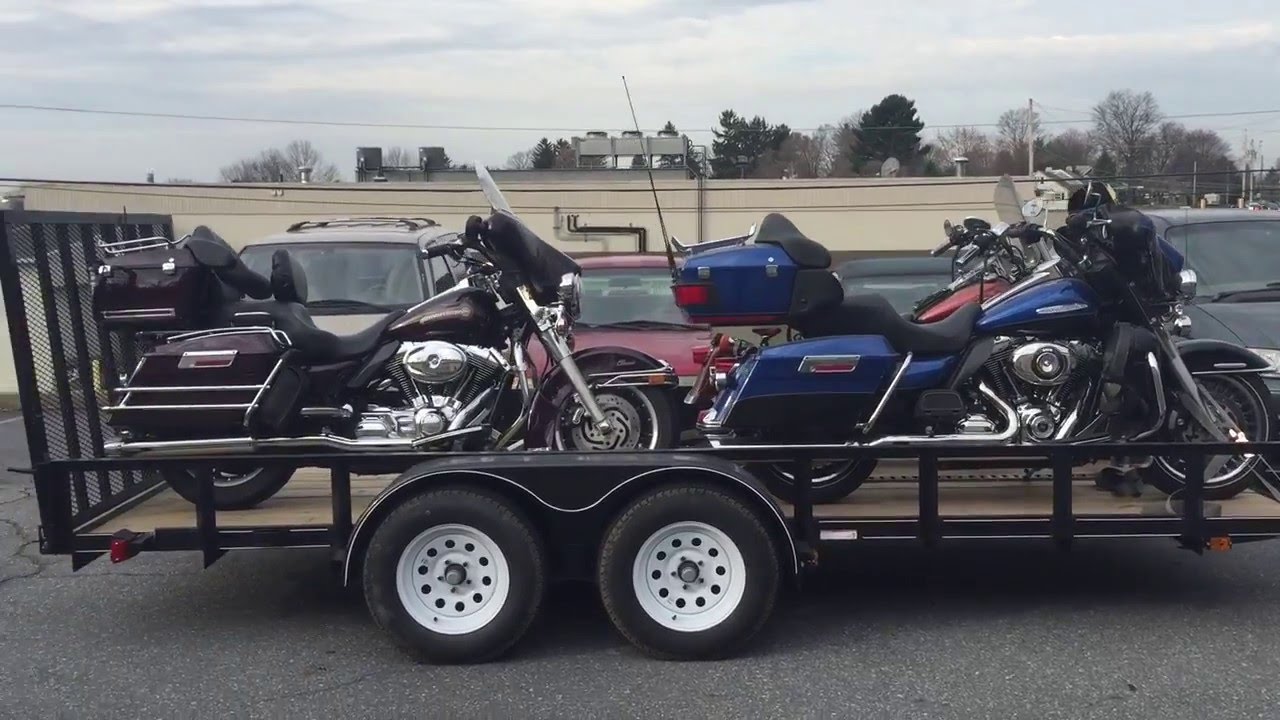
Long-distance motorcycle travel demands great planning and focus. Motorcycles are more prone to dings, scratches, and damage than vehicles if not adequately maintained during shipping. Especially crucial if you are relocating, selling a bike to a consumer in another state, or cross country gathering is ensuring your bike gets here without damage. Following the right procedures not only preserves your priceless car but also lets you rest easy throughout the whole procedure.
Choose the right delivery method
First, you must consider how you would like your motorcycle delivered. Open transport and closed transportation are the two main choices.
Open transport is usually more inexpensive, but your bike will be subject to road debris, dust, and weather conditions.
Maximum protection is provided by enclosed transportation, which also keeps your bike safe within a covered trailer. Though more expensive, it is sometimes the preferred choice for expensive or historic motorcycles.
Your decision should be based on distance, budget, and the level of motorcycle protection you want.
Study and choose a trustworthy carrier
Choosing a well-known shipping company is among the most crucial decisions made throughout the process. Search for motorcycle shipping specialists with favorable client feedback. Confirm that the company is suitably licensed and insured. A trustworthy carrier should be able to give evidence of insurance and clearly explain what damage is covered during travel. Asking for several quotes also lets you compare prices and services before you come to a final choice.
Your decision should be based on distance, financial constraints, and the degree of protection desired for your motorcycle. You could investigate professional services focusing on https://www.shiply.com/us/motorcycle-shipping if you are unsure which choice is appropriate; you will discover customized solutions to satisfy a range of needs there.
Arrange Your Motorcycle for Transportation
Preparing your motorbike for transportation is critical before giving it to somebody else:
Thoroughly clean the motorcycle – Washing your bike before shipping helps you to quickly identify and record any current dents or scratches.
Take photographs of its state. – From several perspectives, capture date stamped photographs. Should you have to submit a claim, these will work as evidence.
Get rid of loose accessories and personal possessions; saddlebags, GPS devices, or custom add-ons may get lost or broken. Sending the bicycle devoid of add-ons is ideal.
Verify the battery and fluid levels. – Check for leaks and turn off the battery if the carrier specifies it.
Good preparation helps to lower risks and guarantees the motorcycle is loading-ready.
Secure the Motorcycle Properly
The way the motorbike is fastened makes all the change during loading. Professional carriers often employ wheel chocks, tie down straps, and soft loops to stabilize the motorcycle. Throughout the journey, the motorcycle should be immobilized and still. To avoid movement during transit, if you are manually working part of the process be sure you employ excellent straps and accurate tie down methods.
Check the Bill of Lading
The shipping company will give you a bill of lading—a thorough receipt of the shipment—when your motorbike is picked up. Your motorbike’s condition at pickup, shipping route, and expected delivery time are included on this document. Before signing, review it completely and make sure every item is accurate.Hold one copy for your records; it will be absolutely vital for resolving conflicts should any damage arise.
Keep and Track Contact
Most contemporary carriers provide tracking systems enabling you to follow the path of your bike. Keeping current gives you peace of mind that your bike is on time and enables you to arrange for delivery. Keep in touch with the shipping business in the event of delays or revisions to the delivery plans.
Check upon arrival
Do a careful examination before signing the final delivery papers when your motorcycle shows up. Consider the condition of the bike against the images you captured earlier. Report the carrier right away if you spot any fresh damage. File a claim immediately if necessary since delaying may make the procedure more challenging.
Final Thoughts
Every stage from choosing the best mode of transport to documenting its state and evaluating it upon delivery helps to protect your motorcycle. Shipping a motorcycle securely calls for thorough planning, great detail, and wise choice of appropriate experts. Following these easy steps will ensure your bike arrives at its destination in first shape ready once more to hit the road.