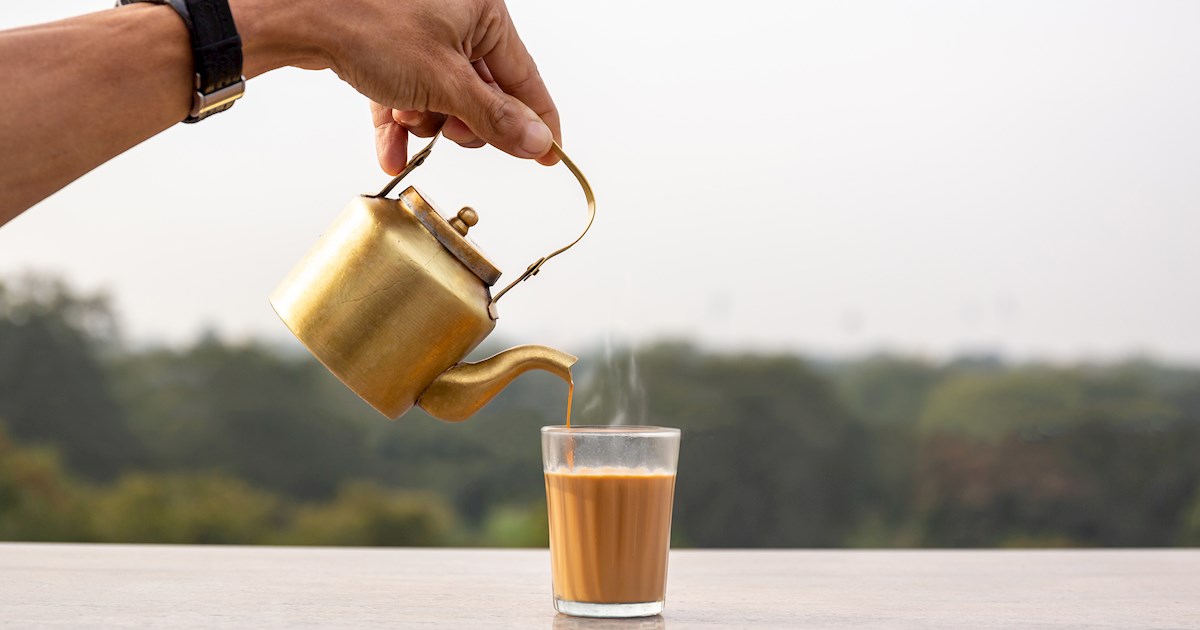
Tea stalls are an essential part of daily life in towns and cities across South Asia. These small roadside shops, often simple in structure, serve hot tea along with light snacks like biscuits, cakes, and samosas. People from all walks of life — students, workers, and travellers — visit tea stalls not only to enjoy a refreshing cup of tea but also to relax, chat, and socialise. A tea stall is more than just a shop; it is a lively hub of community interaction, cultural exchange, and everyday storytelling. Writing a tea stall paragraph helps students describe these vibrant, social spaces effectively.
A Tea Stall Paragraph for Class 6
A tea stall is a small and simple shop where hot tea and light snacks are served. It is usually seen on busy roads, near markets, schools, or offices. The tea seller prepares tea by boiling water, milk, sugar, and tea leaves and serves it to customers in small cups. People come to a tea stall to enjoy tea, relax, and chat with friends. Students, workers, and elders all visit these places to take a break and exchange news or ideas. A tea stall provides not only refreshment but also a place for people to connect and share stories in a friendly environment.
A Tea Stall Paragraph for Class 7
A tea stall is a small roadside shop where tea is brewed and sold to customers. It is typically found near markets, bus stops, or busy street corners. Besides tea, snacks like biscuits and cakes are also available here. People from different backgrounds — school students, workers, and elderly people — come to drink tea and talk. Tea stalls become lively places filled with laughter and discussions about daily life, school, sports, or news. They are simple yet important places where people relax, meet new friends, and feel a sense of community.
A Tea Stall Paragraph for Class 8
A tea stall is a common sight in towns and villages. This small shop offers a hot cup of tea and some light snacks to those who come. The tea seller makes tea by boiling water, milk, sugar, and tea leaves, filling the air with an inviting aroma. People stop by not only to drink tea but also to take a break from their busy routines. Students share stories about school, workers talk about their day, and others discuss local news. A tea stall plays an important role in social life because it brings people together and encourages friendly communication.
A Tea Stall Paragraph for Class 9
In towns and villages, tea stalls are lively places where people of all ages gather. A tea stall sells different kinds of tea such as masala chai, ginger tea, or plain tea, along with snacks like biscuits and samosas. Customers come here to sit on benches or stools and enjoy their tea while talking with friends. These stalls are often found near markets, bus stands, or streets where many people pass. Tea stalls reflect the simple joys of daily life and play a crucial role as spaces for relaxation and communication.
A Tea Stall Paragraph for Class 10
A tea stall is not merely a place to buy tea; it is a social hub for people from different walks of life. It is usually set up by the roadside or near busy markets, offering hot tea and snacks at affordable prices. The aroma of brewing tea draws in customers early in the morning and keeps them coming until late at night. Students discuss their studies, workers share their experiences, and elders chat about current events. Tea stalls thus serve both economic and cultural roles by creating a space where people can relax and connect.
A Tea Stall Paragraph for Class 11
A tea stall is a simple yet dynamic establishment where tea is prepared and served along with small snacks like biscuits, cakes, or bread. Located at strategic spots like street corners, schools, and bus terminals, tea stalls become meeting points for people from different social backgrounds. The stall owner skillfully brews tea throughout the day, often engaging customers in conversations about various topics such as local news, politics, or cultural events. Tea stalls are significant not only because they provide refreshment but also because they foster social interaction, encourage the exchange of ideas, and strengthen community bonds in both urban and rural settings.
A Tea Stall Paragraph for Class 12
A tea stall is an informal setting that transcends its primary function of serving tea; it represents a cultural space where communities converge. These stalls are usually small, humble establishments equipped with simple benches, a stove for boiling water, and shelves displaying snacks. The tea seller, often skilled in preparing flavorful tea, attracts a diverse crowd — from students to laborers and professionals. Tea stalls often reflect the socio-cultural fabric of society, where heated discussions about current events, political debates, and shared laughter occur over steaming cups of tea. Beyond a place for refreshment, a tea stall fosters a sense of unity, promotes social cohesion, and highlights the importance of communal ties in daily life.
Wrapping Up
Tea stalls are much more than simple roadside shops; they are vibrant social spaces where people from all walks of life come together. They provide not only refreshment in the form of hot tea and snacks but also opportunities for conversation, community bonding, and cultural exchange. Whether it’s students discussing their studies, workers sharing stories, or friends catching up, tea stalls bring life and warmth to everyday routines. Writing a tea stall paragraph allows you to capture this unique blend of social, cultural, and culinary experiences, highlighting the importance of these small yet significant establishments in our daily lives.
Frequently Asked Questions (FAQs)
Q1. What is a tea stall?
A tea stall is a small shop, usually by the roadside or near busy areas, where tea and light snacks are served.
Q2. Why are tea stalls important in daily life?
They provide refreshment, a place to relax, and a space for social interaction among students, workers, and locals.
Q3. What types of items are sold at a tea stall?
Besides tea, common items include biscuits, cakes, bread, samosas, and other small snacks.
Q4. Who usually visits a tea stall?
People of all ages visit tea stalls, including students, office workers, travellers, and neighborhood residents.
Q5. How does a tea stall reflect culture?
Tea stalls act as community hubs where conversations, storytelling, and social bonding take place, reflecting everyday life and local culture.